![Exploring Invertebrates: 10 Picture Books to Introduce Animal Characteristics [ep. 9]](https://www.naturallyteaching.com/wp-content/uploads/2024/07/exploring-invertebrates-books-header-300x200.png)
![Learning Gardens: Creating Dynamic Outdoor Classrooms with Victoria Hackett [ep. 8]](https://www.naturallyteaching.com/wp-content/uploads/2024/07/learning-gardens-header-300x200.png)
Science
Frogs and Toads Together: Why do Amphibians Group Up?April 11, 2025

An elementary teacher science blog
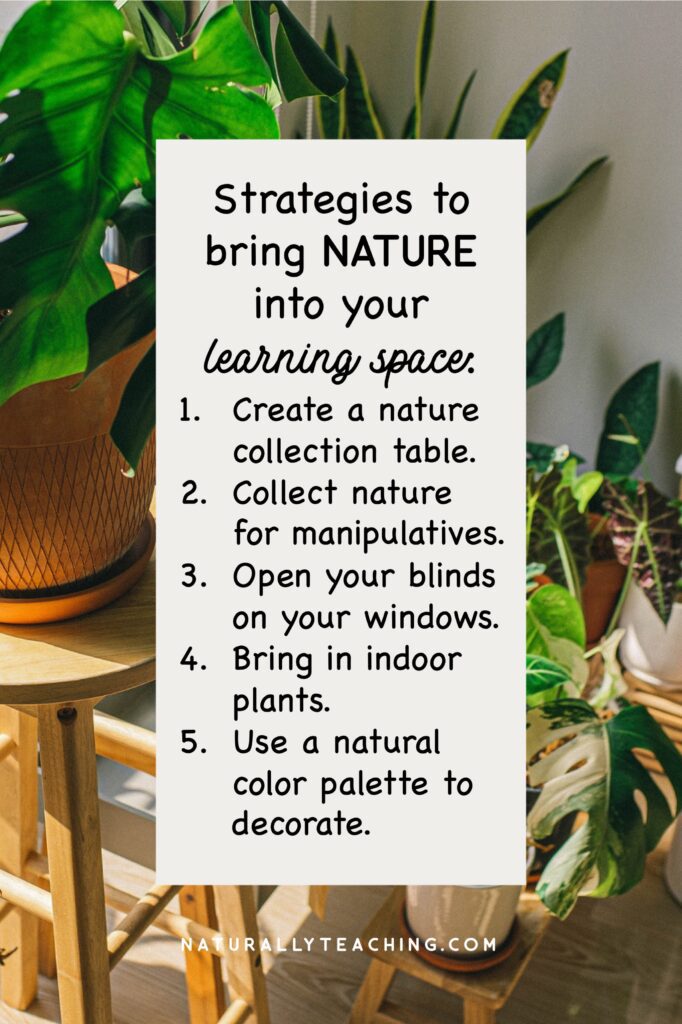
In this episode, we’ll talk about 5 strategies for bringing nature into your classroom including:
[0:00]
Teaching elementary-aged children is a rewarding experience, but as educators and parents, finding the time and resources to create engaging lessons can be a challenge. That’s where this podcast comes in. Welcome to Naturally Teaching Elementary.
My name is Victoria Zablocki, a certified elementary teacher turned outdoor educator. With over a decade of experience coaching teachers on effective teaching methods, I’m passionate about teaching the whole child with authentic and place-based experiences in school and home settings. Join me as we explore strategies for teaching with practical teaching tips, insightful interviews, picture book reviews, and more. So let’s grow together.
Hey everybody. Welcome back to the Naturally Teaching Elementary podcast. My name is Victoria Zablocki and I’m your host. So whether we want to admit it or not, we’re in August, which means it’s time to think about back to school. I know we don’t want to hear it.
Some of us are fortunate enough to not go back until September, but some of us are actually already back inour classrooms or will be starting this week. And so I want to spend the month of August talking about different ways to prep yourself for the school year. So this week, I want ot start talking about how you can bring nature inside.
You know that I’m a firm believer of nature being a part of your studies and a part of your philosophy. And if that’s not really your bag, I’m hoping that today I can give you some ideas to get you started on brining nature in, and then maybe you’ll start moving out. So today I want to talk about five different ways you could easily bring nature into your classroom to support your students, you, and your studies.
[1:39]
So my first thought is to actually prepare a nature collection table. So this is an opportunity for your students to be able to go out and explore nature, either with their families in their space or at school, and to bring things into your classroom and have a space designated to share. So this could be a table, this could be just a small stand, it could be on top of your library, wherever you want to place this, just make sure it’s a spot that all students can access.
This is going to be almost like a show and tell, but without the presentation part of it. It’s more of an opportunity, like a sensory table sort of thing, where they can come over and check it out during breaks between different studies. If they finish their work early, they can pop over and check it out.
Something cool that you can do with this is actually provide the opportunity to your students to catalog what they’ve found. So it kind of puts them in an ownership position over the pieces that they bring into the classroom. If you leave field guides or easy ID sheets, they can go through and they can try to figure out what they brought in.
Maybe they already know, maybe they don’t and you can have a little book that’s developmentally appropriate, where they can actually log what they brought in. So they could be practicing data collection while celebrating the things they’ve found.
So for kindergarten, you could have a place for the date and then you could also have a hierarchy. So you could have them circle whether it’s an animal or a plant, or you can even go as far as living and non-living and have them circle different things using pictures at the beginning of the year.
And then as the year progresses, you could start to use more words where they have to use their reading skills, or going up into 5th grade, everything could be fill in the blank. Choose how you want to do it developmentally. This gives them again that opportunity to share with their peers. That piece gives another data collection opportunity, and it also brings nature in, which is a stress relieving practice.
[3:35]
My second idea is to actually create manipulatives for your classroom out of nature pieces. So if you go out into nature as an adult, you can go through and you can collect different pieces that you can use for manipulatives.
So for math, you could gather acorns or rocks or pinecones to use for counting. You could actually bundle sticks together in tens and have tens bundles. You could use leaves that work for symmetry. You could put those in contact paper and keep those around so that you could talk about symmetry.
For science, you could gather different specimen that you look under microscopes with. Really the opportunities are endless. So leaves, bark, acorn, rocks, pinecones, sticks, all of those are wonderful manipulatives that you can have in your classroom that you may not know exactly how you’ll use. You can even have them just as loose parts available for free play. But having those pieces around and available will allow your students the opportunity to grow in certain skills.
[4:34]
Another idea could be to simply open your blinds on your windows. So this isn’t really necessarily like bringing nature inside, like physically taking it and moving it inside. But you’re removing a barrier for your students by taking that blind, pushing it up, and then providing another opportunity to see outside.
Not only does this help relieve stress on your children, simply being able to see outside, Richard Louv has shown this over and over again. Just being able to see outside is enough to be able to relieve stress on your children.
But also, it’s great for scientific observation. So if you happen to have bird feeders outside the window, you could use your window as an opportunity to count birds, to identify birds, to watch bird behavior, to watch possible predator-prey interactions. There’s a lot that could be happening.
You could also use it to be able to look at weather and collect weather data without even having to step outside, which in the case of a thunderstorm is a good idea because it’s not safe. But also, if it’s really, really wet and your students don’t have all the gear to be outside in the rain, windows are a perfect opportunity to still engage with the natural world without having to put your students in a situation where they’ll be uncomfortable.
[5:51]
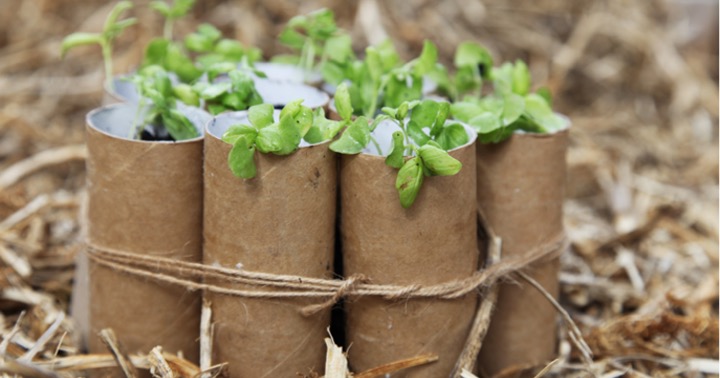
Another idea could be to bring indoor plants into your classroom. So this one I know is a little bit like, I may not have the time to take care of it. And if that’s the case, cool. Don’t worry about it. But if you have the time and the capacity to help your students care for these plants, the presence of indoor plants can actually be a stress reliever as well.
Honestly, it’ll probably put smiles on kids every day, just to come in and see a plant, and they may not even realize that’s what’s doing it. But having that greenery around and that living plant in the classroom can actually help relieve stress and provide a more positive attitude.
And it’s also a low stakes way to practice responsibility in your classroom. If you have a job chart, you could add that to the job chart every other day you water the plant. And it’s pretty low stakes; it’s not like having a hamster in the classroom.
[6:42]
And the last thing I wanted to point out was color choices in the classroom. So even though this isn’t really like bringing pieces of nature into your classroom, using a natural color palette can also reduce stress and create more of a relaxed environment.
So as you’re going through and thinking about decorating your classroom, you could consider looking at more of a natural palette. Those browns and oranges and yellows and greens can help reduce stress on our students and still allow you a lot of freedom to be able to decorate your room in a way that you enjoy.
And I’m going to be talking more specifically about decorating your classroom next week, but today, I mostly wanted to focus on ways that you could bring nature into your classroom and how that could support you, your students, and your studies.
[7:27]
So in a nutshell, today we talked about five ideas for bringing nature inside your classroom or your learning space. The strategies that we talked about were creating a nature collection table, collecting and preparing nature manipulatives, using your windows as a bridge from inside to outside, including indoor plants, and using natural colors. So hopefully one of these ideas for bringing nature inside inspired you, and now you’re geared up to give it a try this school year.
Don’t try all of these. My suggestion would be to pick one or two, maybe, just to get started. And then next year you could add another one or another two into your classroom. And that will help you feel less overwhelmed because that’s not what I’m trying to do here. I’m trying to help you out, give you some ideas for a stress-free beginning of the school year, but also a way to support your students.
So I want to thank you for taking time to listen today. I know you’re busy and I truly appreciate the time you take to tune in. If you have any questions, wonderings, or ways that you bring nature inside, get ahold of me on Instagram at naturally.teaching, or you can email me at victoria@naturallyteaching.com
And don’t forget to check out the show notes for this episode at naturallyteaching.com/episode81 So thanks again for joining me to day. And until next time, keep exploring, keep learning, and keep naturally teaching.
Thank you so much for tuning in to today’s episode of the Naturally Teaching Elementary Podcast. I hope you found it informative, inspiring, and full of actionable insights to enhance your teaching journey. Connect with me on social media for more updates, science tidbits, and additional resources.
You can find me on Instagram and Facebook at naturally.teaching. Let’s continue the conversation and share our passion for teaching elementary-age children together. Don’t forget to visit my website at naturallyteaching.com for all the show notes from today’s episode.
If you enjoyed today’s episode, please consider leaving a review on your favorite podcast platform. Your feedback helps me improve and reach more educators like you. Thank you again for listening, and until next time, keep exploring, keep learning, and keep naturally teaching.

0