![Exploring Invertebrates: 10 Picture Books to Introduce Animal Characteristics [ep. 9]](https://www.naturallyteaching.com/wp-content/uploads/2024/07/exploring-invertebrates-books-header-300x200.png)
Science
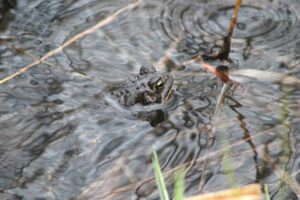
Frogs and Toads Together: Why do Amphibians Group Up?April 11, 2025

An elementary teacher science blog
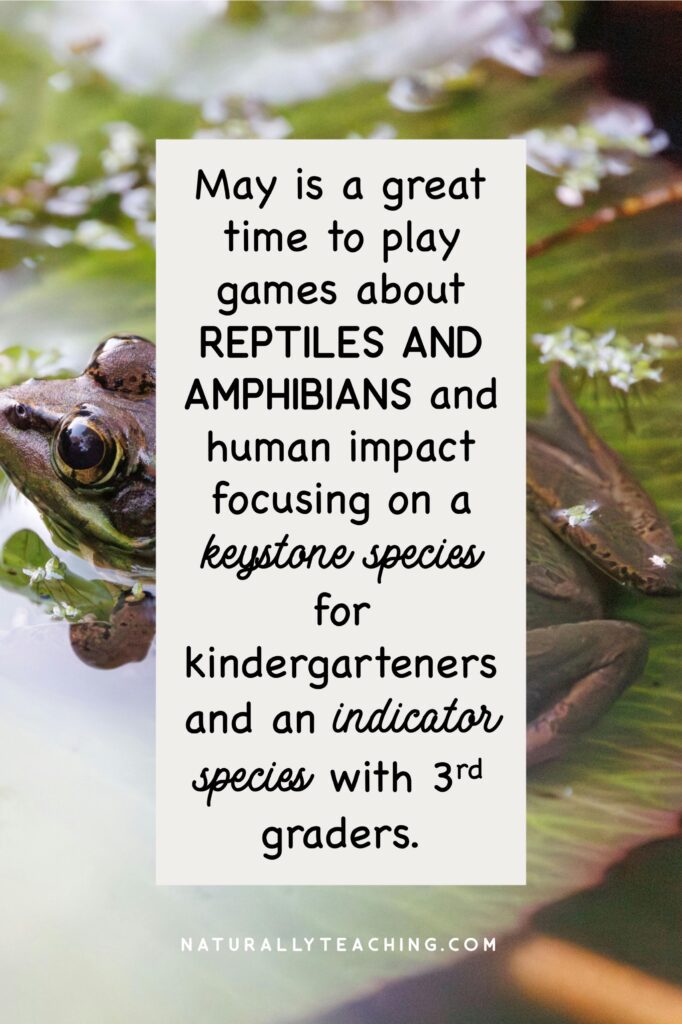
May is a great time to see reptiles and amphibians before the end of the school year! And to help you get inspired, I’ve got an activity idea about reptiles and amphibians for each grade K-5 coming at you this month.
In this episode, we’ll talk about activities used to investigate the impact of humans on environment that are paired with Next Generation Science Standards for grades Kindergarten and 3rd grade. I’ll share the standard that inspired the activity, how the activity relates to the impact of humans on environment using reptiles and amphibians as examples, and descriptions of how to use the activity with your learners.
In this episode, I discuss the following standards connected to the impact of humans on environment:
[0:00]
Teaching elementary-aged children is a rewarding experience, but as educators and parents, finding the time and resources to create engaging lessons can be a challenge. That's where this podcast comes in. Welcome to Naturally Teaching Elementary.
I'm Victoria Zablocki, a certified elementary teacher turned outdoor educator. With over a decade of experience coaching teachers on effective teaching methods, I'm passionate about teaching the whole child with authentic and place-based experiences in school and home settings. Join me as we explore strategies for teaching with practical teaching tips, insightful interviews, picture book reviews, and more.
So let's grow together. Hey everybody, welcome back to the Naturally Teaching Elementary Podcast. My name is Victoria Zablocki and I'm your host.
So last week in episode 68, I shared six books about characteristics of amphibians and reptiles. This week, I'm excited to bring you the beginning of reptile and amphibian activities as they relate to the impact of humans on environment. So in this episode, I'm going to describe activities for grades kindergarten and third that are about the impact of humans on environment using reptiles and amphibians to make them more impactful for your learners.
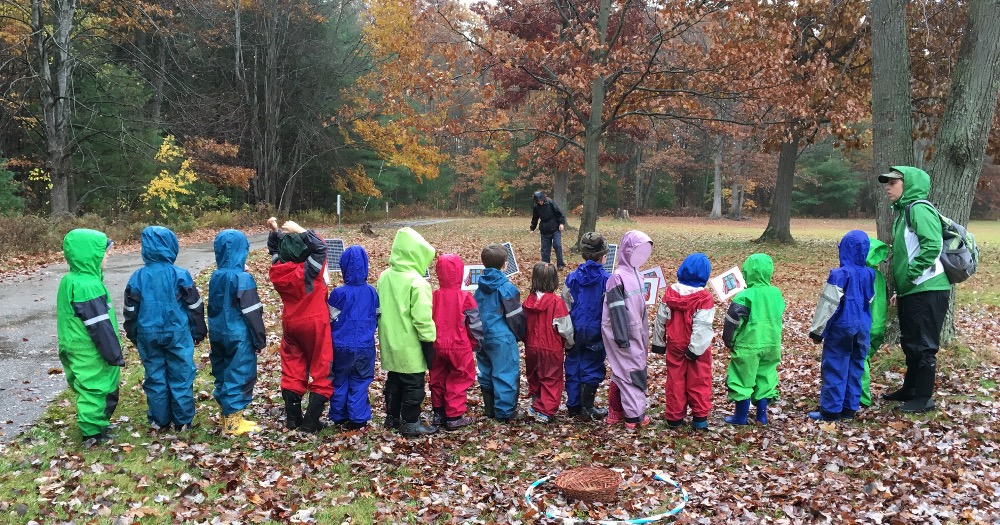
For each activity, I'll share the Next Generation Science Standard that inspired that activity, as well as the scientific phenomenon that that activity helps explain. Make sure that you listen through to the end of the episode, because even though I've paired these activities to particular standards, you may find yourself inspired to use a similar concept for your curriculum or even use the same activity for a different grade. Also, if you're new to taking your students outside for learning, check out episode 6: 5 Outdoor Education Safety Tips for Teaching Outside, for suggestions to make teaching outside easier. Now let's get into these activities about the impact of humans on environment.
[1:48]
So for kindergarten, the Next Generation Science Standard that I pulled was K-ESS3-3: Communicate solutions that will reduce the impact of humans on the land, water, air, and or other living things in the local environment. But before we get into the kindergarten activity, I'm going to share a short nature note about Keystone species.
A Keystone species is a group of animals that plays a critical role in keeping the balance in their ecosystem. Sometimes this means that they adapt the ecosystem in a way that supports large diversity of animals, such as American beavers. Sometimes this means that they're the pollinators that help a variety of plants produce seeds, such as bees, and other times, these species can be predators that help keep the prey populations in check so that they don't overgraze the plant species.
That's the case for the Eastern Massasauga rattlesnake here in the Midwest. So for the kindergarten activity, I'm going to suggest playing a Massasauga rattlesnake wetland tag game. Or you could adapt this for keystone species in your area, like the sea otter in a Pacific kelp forest, or gray wolves in Yellowstone.
For this game, you're going to bring your learners outside and share with them their game space. You could do this by using cones, ropes, natural boundaries, partially filled milk jugs, chalk lines from soccer fields, and more to show your learners the boundaries, which you'll make into either a square shape or a rectangle. You're going to have a start line, which all of your students will line up on to listen to the directions.
Then on the opposite line, you'll place poker chips, milk jug lids, or something else to represent plants from the wetlands. Then you're going to explain to them that they're pretending to be rodents, like voles, shrews, and mice that are living in the wetlands eating plants. They're going to run from the start line to the end line collecting one poker chip at a time and then running back to the start line.
Once a rodent has a plant and it runs back to the start line, they start a pile and then they make their way back out to get another plant, so on and so forth. However, during this time that they're collecting plants, they have to do so without getting eaten by the Eastern Massasauga rattlesnakes. So you're going to start three of your learners as rattlesnakes that are going to chase the rodents through the space trying to tag them.
That's how they eat them. Once your predator or predators tags a rodent, they're eaten, they go and grab the plants collected from their pile and hand them to you, and then they sit on the sidelines until you play another round. Then you or another adult will take those plants that they handed to you and put them back in play on the opposite line from the starting line.
This rejuvenates the plant population. Untagged rodents will continue to collect until all the plants are gone, they get tagged by a predator or you the educator ends the round. When you finish the first round, have everyone count how many plants they got and then hand them back to you.
You're going to reset the field by having all the players go to the start line and you place all the plants back on the opposite line. You can either switch which learners are the snakes or you can have them all remain in the same role. Now is a good time to swap it out, though, if they'd like to change.
However, this time, your second round, you're going to have one less snake to help tag. Have them follow the same rules, collecting plants, putting plants in a pile, and when they get tagged, they'll give you the plants again and then head to the sideline and wait for the next round. After they finish the second round, have them count their plants this time and then talk about did they get more or less and why do they think that is?
Reset the field yet again, trading up the snake players if they'd like to and following the same rules, except this time you'll only have one snake. Play another round following the same rules, collecting plants and then once they get tagged, they give you back the plants and they head to the sideline. After they finish this third round, have them count their plants.
How did this compare to the first and second rounds? Why do they think that is? Reset the field one last time, eliminating all of the snakes.
This time they will simply be collecting plants and making a pile on the start line. This round ends when all of the plants are collected. Once it's all done, have a conversation about which round they got the most plants.
Did that make it more fun or less fun? Which round did they enjoy the most? If your learners really loved the round where they didn't have to worry about snakes, then this experiment may have failed. Just kidding.
But if they say they enjoyed the last round the best, ask them how would they play again if all the plants have been collected? This can get them to start thinking about resources and scarcity, something that's abstract for their age, but has been brought to a concrete level with this experience.
But with rattlesnakes, those rodent populations stay under control and the plants and animals are balanced and they flourish. The round without any snakes represents what happens when wetlands are destroyed and the rattlesnake population dies out. All species suffer and wetlands begin to fail.
This point can illustrate how human impact can affect plants and animals and can start to open up a discussion with your kindergartners on what people can do to fix their negative impact on the environment in an age-appropriate and experiential way.
[7:33]
For third grade, the Next Generation Science Standard that I pulled was 3-LS4-4: Make a claim about the merit of a solution to a problem caused when the environment changes and the types of plants and animals that live there may change. Again, before we get into the third grade activity, I'm going to share a short nature note about amphibians as indicator species.
An indicator species is a group of animals that acts as an early warning for biologists to detect problems in an ecosystem. And to put it another way, their presence, absence, or abundance indicates the health of the space. If there are a lot of the species, it can mean that it's a healthy ecosystem, whereas their absence could suggest a problem such as pollution, invasive exotic species, what have you.
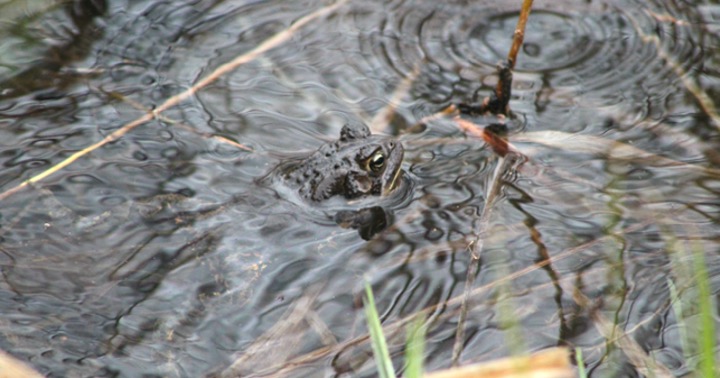
Because of their permeable skin and their reliance on water and moist environments, amphibians are considered indicator species and are very susceptible to environmental problems and imbalance and are often studied to look at ecosystem health.
So for the third grade activity, I'm going to suggest playing an amphibian wetland tag game. For this game, you're going to bring your learners outside and share with them your game space.
And as I suggested before, you could use cones, ropes, natural boundaries, partially filled milk jugs, chalk lines from soccer fields and more to show your learners the boundaries. Then you're going to explain to them that they're pretending to be amphibians, so they could be frogs, toads, or salamanders that are living in a wetland. They're going to move around the wetland space trying not to get eaten by a predator.
One or two of your learners will be the predators that are going to chase the amphibians around the space. Once your predator or predators tags an amphibian, they're eaten and will sit on the sidelines until you play another round. You could add some safe spots if you'd like, like a hula hoop or a rope in a circle or something else that could act as logs for a hiding place from predators.
And you could instruct your amphibians that they could stay in the log for five seconds and the predators can't babysit. Continue play for a fixed amount of time or until all amphibians have been eaten. If you'd like to add a data collection piece to this game, you could time how long it takes for the predators to eat all of the amphibians in the current space.
Once your first round is over, have everyone return to the play area and spread out. Tell them they're playing by the same rules, but if anyone new would like the opportunity to be a predator, now would be a good time to switch roles. Once they're all spread out and before you start this next round, take out another rope or set of cones and break the play area in half.
The amphibians and predators that are in each section can only move around in that section. They cannot jump between the divide. Before they play, have them make a prediction. Do they think this round will go quicker, take the same amount of time, or be longer? Why do they think that is?
Play the round using the same rules you did before and time it to see how long it takes. After they play that round, have a quick discussion about the results. How did the time compare to the previous round? If there was a section that didn't have a predator, how did that affect the game? What do they think the segmentation of the play area represents?
For the third round, have all the learners move into one of the smaller sections of the play area. If there are additional learners that would like the opportunity to be a predator, now would be a good time to switch roles. Same rules for this round, same amount of time to play if you’re using a fixed time, just a smaller space.
Before they play, again, have them make a prediction. Do they think this round will go quicker, take the same amount of time, or be longer? Why do they think that? Play the round using the same rules you did before, and if you’re taking time data, time it to see how long it takes. After they play the round, have a discussion about the results.
How did the third round time out compared to the previous two rounds? What do they think the reduced play area represents? When talking through the game with your learners, round one represented a healthy, undisturbed wetland with a balance of predators and prey.
Round two represented the segmentation of wetlands by human impact. Sometimes the animals end up being in a similar balance to when they had their full space and sometimes they don't. In round three represented the destruction of wetlands by human impact. In this instance, all animals and plants are affected. As the space gets smaller, the amphibians lose their populations quicker.
This game can illustrate how the changing of the environment can drastically reduce the populations of amphibians and can bring to light one of the reasons that many of our amphibians are being added to the threatened species list.
If you're so inclined, you could continue the conversation about what they can do to reduce the human impact on amphibians and potentially come up with a conservation plan. This activity is mostly to introduce human impact and get them thinking and talking.
[12:06]
In a nutshell, today we talked about activities to illustrate the impact of humans on the environment for kindergarten and third grade. For kindergarten, we talked about a Massasauga rattlesnake wetland tag game. And for third grade, we talked about an amphibian wetland tag game. Both of these games illustrate how human impact can negatively affect reptiles and amphibians and gives you experiences to talk constructively with your learners about how to positively affect nature.
So thanks for taking time to listen today. I know you're busy and I truly appreciate the time you take to tune in. If you have any questions, wonderings, or activities about the impact of humans on the environment that you use, get ahold of me on Instagram at naturally.teaching, or you can email me at victoria@naturallyteaching.com.
And don't forget to check out the show notes for this episode at naturallyteaching.com/episode69 for all of those standards and descriptions that I talked about. So thanks again for joining me today. And until next time, keep exploring, keep learning, and keep naturally teaching.
Thank you so much for tuning in to today's episode of the Naturally Teaching Elementary Podcast. I hope you found it informative, inspiring, and full of actionable insights to enhance your teaching journey. Connect with me on social media for more updates, science tidbits, and additional resources.
You can find me on Instagram and Facebook at naturally.teaching. Let's continue the conversation and share our passion for teaching elementary age children together. Don't forget to visit my website at naturallyteaching.com for all the show notes from today's episode.
If you enjoyed today's episode, please consider leaving a review on your favorite podcast platform. Your feedback helps me improve and reach more educators like you. Thank you again for listening, and until next time, keep exploring, keep learning, and keep naturally teaching.

0