

Science
Frogs and Toads Together: Why do Amphibians Group Up?April 11, 2025

An elementary teacher science blog
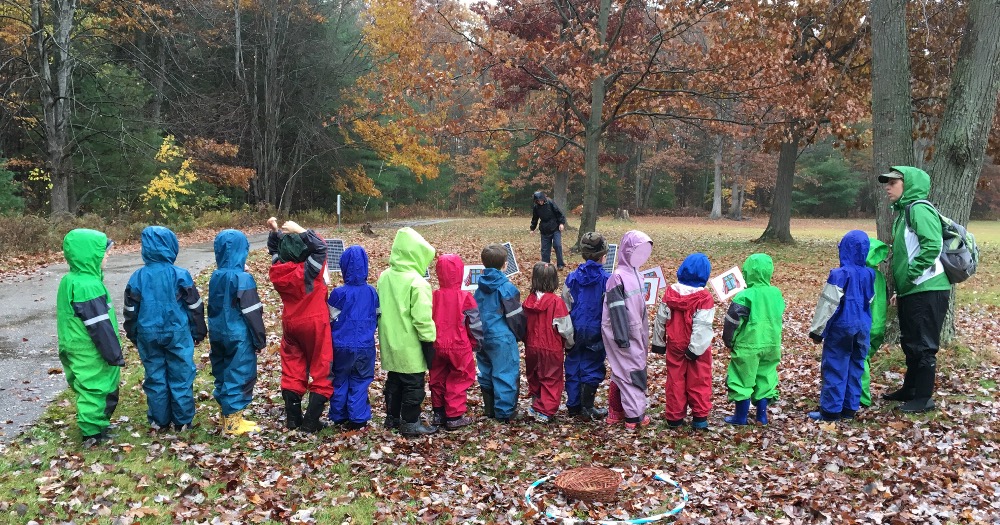
Practicing classroom routines and procedures is essential in the first few weeks of school. But this isn’t just an indoor exercise – if you’re planning on learning outside at all this year, you should practice your outdoor routines and expectations during the first week of school as well.
In this episode, I describe 5 beginning of the year activities to help you and your learners get set up for success. By using these activities you’ll help lower everyone’s stress levels, provide predictability to your learners, and get everyone on the right track for the school year.
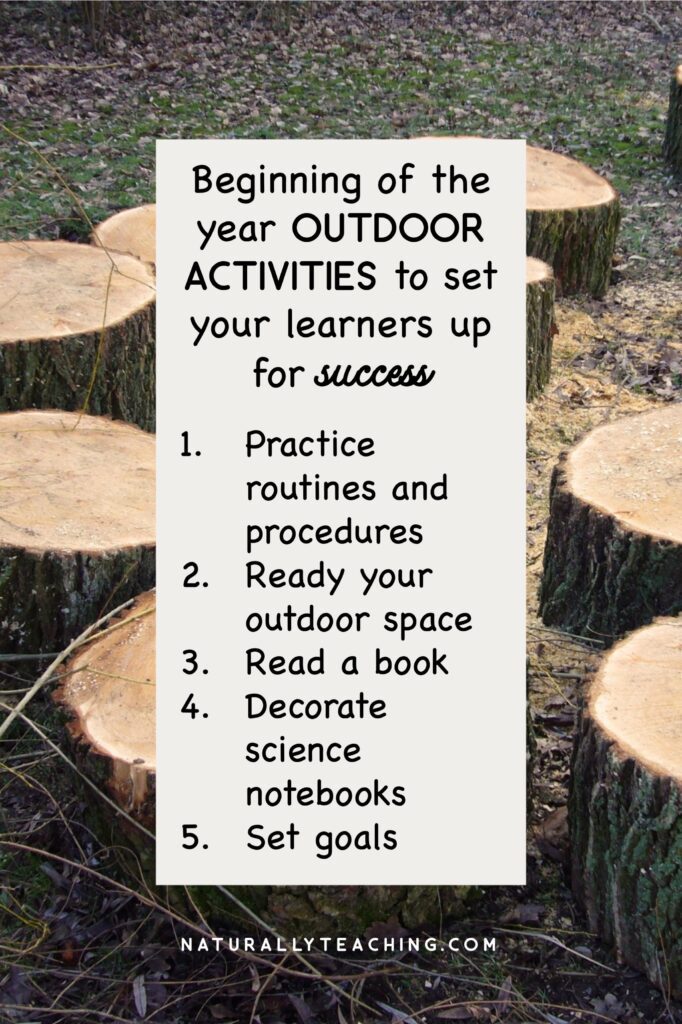
Listen in as I describe the following beginning of the year activities:
[0:00]
Teaching elementary-aged children is a rewarding experience, but as educators and parents, finding the time and resources to create engaging lessons can be a challenge. That's where this podcast comes in. Welcome to Naturally Teaching Elementary.
I'm Victoria Zablocki, a certified elementary teacher turned outdoor educator. With over a decade of experience coaching teachers on effective teaching methods, I'm passionate about teaching the whole child with authentic and place-based experiences in school and home settings. Join me as we explore strategies for teaching with practical teaching tips, insightful interviews, picture book reviews, and more.
So let's grow together. Hey, everybody. Welcome back to the Naturally Teaching Elementary podcast. My name is Victoria Zablocki and I'm your host. School is upon us as parents, as teachers, as community members, it’s happening. And because of this inevitability, I've been sharing ideas this month to help you feel less overwhelmed by the beginning of the school year.
I've covered ideas for bringing nature into your classroom, research-based ideas for decorating your classroom, and picture books that can help you in your first week of school. This week, I'm sharing five beginning of the year activities to set you and your learners up for success. With each of these activities, I'll give a brief description of what they are, how they fit into practicing your outdoor learning routines and expectations, and what benefit they can give you and your learners in the first week back to school.
And if you don't take your learners outside, these are still activities that you can do inside to help get your learners back into the swing of things for the school year. So let's get into these beginning of the year activities to set you and your learners up for success.
[1:39]
The first activity I want to talk about is practicing routines and procedures for outdoor learning. So practicing your routines and procedures isn't just an indoor exercise. I know we all do this at the beginning of the year, but if you're planning on integrating outdoor learning into your pedagogy, you'll want to practice your outdoor expectations with your learners at the beginning of the year, just like you do your indoor expectations. This includes getting ready to go outside and reaching your meeting location.
Some things to keep in mind and to plan and practice include going to the bathroom before your learners get ready, having your learners get ready and line up inside the classroom or in the hallway when they're ready to head out, consider where your outdoor meeting location will be, and how will your learners get there? Will they walk in a line or will they run ahead of you? If you haven't thought through your outdoor classroom routines and procedures, make sure to go back and listen to Episode 2, “Outdoor Learning Environment: Three Things to Plan for Back to School”, to plan before taking your students outside.
Something to keep in mind this first week you're going outside is that your lessons will likely be shorter than your projected lessons later in the year. You'll want to start out with shorter outdoor lessons that focus on practicing your routines and procedures and gradually elongate your time outside as students get the hang of the expectations. It'll also take you longer at the beginning of the school year to get everyone used to going to the bathroom, getting dressed to go outside, and lining up when they're ready.
As they get used to those routines and procedures, you'll gradually be able to add that prep time to your outdoor lessons. And although this suggestion isn't necessarily an activity type, you can use the activity suggestions in Episode 14, “Outdoor Classroom Routines and Procedures: 5 Easy Activities for Your First Week Outside”, to get a more specific activity that would help your learners practice your outdoor routines and procedures.
[3:29]
Activity number two is to work together to ready your outdoor learning space. So earlier this month in Episode 82, we talked about indoor classroom decoration ideas that include leaving space for your learners to contribute. There were many benefits to letting your learners add to your classroom, such as building a sense of community, ownership, and having a living record of their learning. So let's take that concept and use it in your outdoor learning space as well.
So this week, you can take a day to practice going to the bathroom before going outside, then practice getting ready to go outside, you can work on getting to your meeting location, and then work together to clean up the space and add to it. Maybe you bring out some yarn, scissors, and ribbons. You could add colorful ribbons around trees to add visual boundaries for exploration.
You could use the yarn to make looms around trees for your learners to weave interesting nature finds. You could roll a log over to the meeting space that could work as a collection space. Whatever your learners think will add to the learning space is what you're looking for.
And if all they want to do this week is explore the space, that's great too. Now could also be a good time to have them help you develop learning rules and expectations. You could work together to create a classroom list of rules that keep themselves, each other, and nature safe.
When children are a part of the creation process, there's higher buy-in and ultimately a respect for said rules.
[4:50]
Activity idea number three is read a book. An easy but impactful beginning of the year activity that you could do this week would be to read a book outside in your learning space. Books are great for so many reasons, but you could select a book that is applicable to the first week of school, or one about stewardship and keeping nature safe, or one that you just made for the class.
Again, you can start the lesson by practicing going to the bathroom before going outside, practicing getting ready to go outside, practicing getting to your meeting location, and then you can go over those outdoor learning rules and expectations you created together, and lastly, you can gather in your learning space to read your story.
This is a short commitment for your learners to gather together in a high interest space, but it's also an easy ask. There's a definite beginning and end to the activity and it's predictable. So even the most wiggly of students should be able to regulate their bodies with this sort of activity on the first week back from summer. I also intentionally use the word gather instead of sit, because you may have some students that would benefit from standing while you read the book.
If it doesn't bother you and you feel comfortable with it, your meeting space could have space for learners to sit and space for them to stand. You'll just have to use assertive language to remind them that if they choose to stand, they should stand behind their classmates so everyone can see.
And if you're looking for some good suggestions for books for the first week of school, you could listen to episode 83, “7 Picture Books for Going Back to School”, or episode 5, “Science Skills for Students: 10 Picture Books for Encouraging Kids Scientists.” Both have great books for the beginning of the year.
[6:25]
Activity number four is decorating your science notebooks. This activity is a great first week option because it can happen at any point with minimal instruction. You could put this together to be a welcome activity that they can do when they come to school while making lunch selections, eating breakfast, or other getting ready for the day activities. You could also have this be an activity they could work on after they finished work during the week. However, you want to structure it will work great.
By giving your learners the opportunity to decorate their science notebooks, it will create excitement and a sense of ownership. Instead of being a stale binder or notebook, your learners can give it their own flair and that will help them want to add to it throughout the year.
And if you wanted to add the opportunity to put in an entry in their scientific notebook this week, you could again practice going to the bathroom before going outside, practice getting ready to go outside, practice getting to your meeting location, going over your outdoor rules and expectations, and then giving them time to add what they're finding that day.
You could give them a specific prompt or you could just let them have an observation time or decide upon a sit spot that they'll revisit throughout the year. Decorating and then using scientific notebooks within the first couple of weeks of school can really solidify their importance and get your learners on board.
[7:37]
Activity number five is set goals for the year. This exercise could be done inside the classroom or outside in your learning space or both. Brainstorming ways that everyone could grow throughout the year can help your learners connect the fact that your outside space isn't just for play, but it's also for learning and growing.
So start the lesson by practicing going to the bathroom before going outside, get ready to go outside, make your way to your meeting location, and then work together to create goals that you want to achieve as a class community, as a class educationally in the space, or take some time alone to create individual goals.
You can also have your learners think about how they want to grow in their relationship with nature and create some goals around that as well. Record these goals somewhere and then make sure to take a look back at them periodically throughout the year and check on your progress.
[8:23]
So in a nutshell, today we talked about five beginning of the year activities to set you and your learners up for success. The activities included practicing your routines and procedures for outdoor learning, working together to ready your outdoor space, reading a book, decorating your science notebooks, and setting goals for the year.
And don't forget that if you want some guidance in developing your routines and procedures, that you can go back to episode 2 of this podcast to get some ideas. I also have episodes 83 and 5 that have a bunch of different picture book suggestions if you'd like a reference for those as well.
So thanks for taking time to listen today. I know you're busy and I truly appreciate the time you take to tune in. If you have any questions, wonderings, or beginning of the year activities that you want to share, get a hold of me on Instagram at Naturally.Teaching, or you can email me at victoria@naturallyteaching.com.
Don't forget to check out the show notes for this episode at naturallyteaching.com/episode84 for all the links that I shared. So thanks again for joining me today. Until next time, keep exploring, keep learning, and keep naturally teaching.
Thank you so much for tuning in to today's episode of the Naturally Teaching Elementary Podcast. I hope you found it informative, inspiring, full of actionable insights to enhance your teaching journey. Connect with me on social media for more updates, science tidbits, and additional resources.
You can find me on Instagram and Facebook at naturally.teaching. Let's continue the conversation and share our passion for teaching elementary age children together. Don't forget to visit my website at naturallyteaching.com for all the show notes from today's episode.
If you enjoyed today's episode, please consider leaving a review on your favorite podcast platform. Your feedback helps me improve and reach more educators like you. Thank you again for listening, and until next time, keep exploring, keep learning, and keep naturally teaching.

0